
Built Together, During the Crisis
SneezeMap was born during the COVID-19 pandemic—not in a corporate boardroom, but through the collaboration of concerned citizens around the world. When official data lagged behind the reality people were experiencing in their neighborhoods, a global community of developers, data scientists, and everyday people decided to build something different.
We created SneezeMap because we believed that disease surveillance shouldn't be locked behind institutional walls. Your community's health picture shouldn't depend on waiting for official reports that arrive days or weeks late. We built a platform where you—and thousands like you—could contribute real-time observations and help paint an accurate picture of where symptoms are emerging right now.
Democratizing Disease Surveillance
Before SneezeMap, disease tracking was exclusively the domain of government agencies and research institutions. They had the data, the authority, and the visibility. Communities had questions and concerns, but limited access to local-level information.
We flipped that model. Now, your observations matter. Your report from your neighborhood contributes to a real-time global picture that anyone can access. This isn't about replacing official surveillance—it's about complementing it with something faster, more local, and truly community-powered. When thousands of people report symptoms in your area, patterns emerge that help your neighbors make informed decisions about their health and safety.
We Built This Together
SneezeMap isn't a top-down health initiative. It's a grassroots project built by people who cared enough to act. Every feature, every improvement, every refinement has come from listening to the community using the platform. When you reported issues, we fixed them. When you suggested improvements, we built them. When you shared SneezeMap with your neighbors, you made it stronger.
This collaborative approach is our strength. We're not a distant institution—we're part of the same community we're serving. We understand the urgency of having local health data because we live in these communities too. We understand the skepticism about data privacy because we care about your privacy. We understand the need for transparency because we have nothing to hide.
That's why we're transparent about how SneezeMap works, honest about the limitations of self-reported data, and committed to protecting your privacy at every step. We're not trying to build a surveillance tool—we're building a community awareness tool.
Your Community Needs This
The pandemic showed us that communities are strongest when they have visibility and can act together. Every report you contribute helps your neighbors understand their local health landscape. Every person who joins makes the data more accurate and more valuable for everyone.
This is how we protect each other—not through fear, but through information. Not through institutions alone, but through collective awareness.
Explore the MapHow We Protect Your Privacy
Your privacy is fundamental to SneezeMap. We've designed our system with privacy-first principles to ensure your contribution to pandemic awareness never compromises your personal security or data safety.
Location Obfuscation: Your Data, Protected
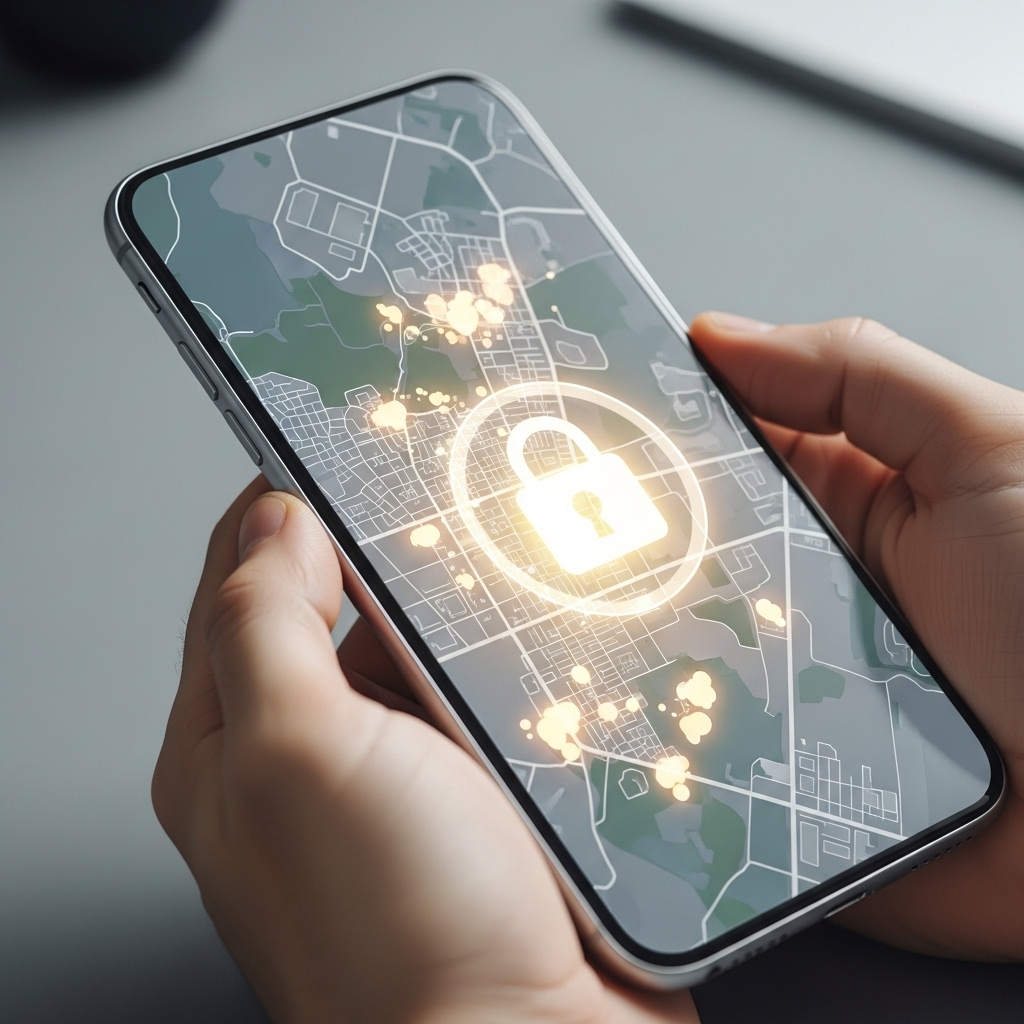
When you report symptoms, your exact location is randomized before transmission to our servers. Instead of storing precise GPS coordinates, we map your report to a generalized area—protecting your exact address while maintaining the local-level granularity that makes SneezeMap valuable.
Your neighborhood is visible. Your home address is not.
What We Collect vs. What We Don't
What We Collect
- • Symptom types you're experiencing
- • Obfuscated location (area, not address)
- • Report timestamp (for trend analysis)
What We Don't Collect
- • Your name, email, or phone number
- • Your exact GPS coordinates or address
- • Medical history or personal health records
- • Browser cookies or tracking data
Why We Need Your Browser Location Permission
Your browser will ask for location permission when you report symptoms. Here's why it's safe:
Local Mapping Only
We need your location to map your report to your area, enabling the local-level insights that make SneezeMap valuable.
Immediate Obfuscation
Your exact coordinates are randomized immediately within your browser before any data reaches our servers.
You're Always in Control
You can deny permission—you'll simply have the option to manually select your area instead.
Our Commitment
SneezeMap is built on transparency. We never sell your data, never share it with third parties, and never use it for anything beyond mapping local symptom trends. Your contribution protects your community—not corporate interests.
How We Ensure Data Reliability
Self-reported data has real limitations. We're transparent about them—and about why aggregate patterns still provide valuable insights.
We Start With Honesty
Let's be direct: self-reported symptom data isn't perfect. Individual reports can be inaccurate, inconsistent, or influenced by personal interpretation. A person might overestimate their symptoms or underreport them. Someone might confuse allergies with COVID-19 symptoms.
We acknowledge these limitations upfront because credibility matters more than appearing flawless. This transparency is actually our strength—it means you can trust what we tell you.
Why Aggregate Patterns Work
Individual reports may be unreliable, but patterns across thousands of reports reveal truth. Think of it like weather forecasting: a single person's temperature reading might be off by a few degrees, but readings from hundreds of weather stations create an accurate picture.
When we see a sudden spike in symptom reports concentrated in a specific neighborhood, the noise cancels out. Random inaccuracies spread evenly. Real trends cluster. This is the power of crowdsourced data at scale.
The Pattern Principle:
One person saying "I have symptoms" might be wrong. But 200 people in the same neighborhood reporting symptoms in the same week? That's a signal worth paying attention to.
Complement, Not Replacement
Official COVID-19 data shows confirmed cases—but that data lags behind reality. Testing delays, reporting lags, and administrative processing mean official numbers are always historical.
SneezeMap answers a different question: Where are symptoms emerging right now?
Official Data Shows:
- Confirmed cases (verified)
- Historical trends
- Delayed by days/weeks
SneezeMap Shows:
- Emerging symptoms (early signal)
- Real-time patterns
- Updated continuously
The best approach uses both: official data for confirmed reality, SneezeMap for early warning. Together, they give your community a more complete picture.
Our Methodology
SneezeMap collects anonymized symptom reports from users worldwide. Each report includes:
- Symptoms reported: Which COVID-like symptoms the person is experiencing
- Location (obfuscated): General area, not precise address, for privacy
- Timestamp: When the report was submitted
We then aggregate this data geographically and temporally to identify patterns. High concentrations of symptom reports in a specific area over a short time period indicate emerging symptoms in that community.
No personal identifying information is collected or stored. Reports are completely anonymous.
What This Means For You
When you look at SneezeMap, you're seeing early warning signals from your community. The data won't be perfect—but it will be real and relevant to your neighborhood.
You'll know before official numbers appear — see emerging trends in real-time
You'll see your local picture — zoom to your neighborhood, not national averages
You'll help others — your report contributes to the pattern your neighbors see
Understanding our methodology helps you interpret the data correctly. We believe in transparency—and we trust you to make informed decisions with the information we provide.
Learn How to Report Symptoms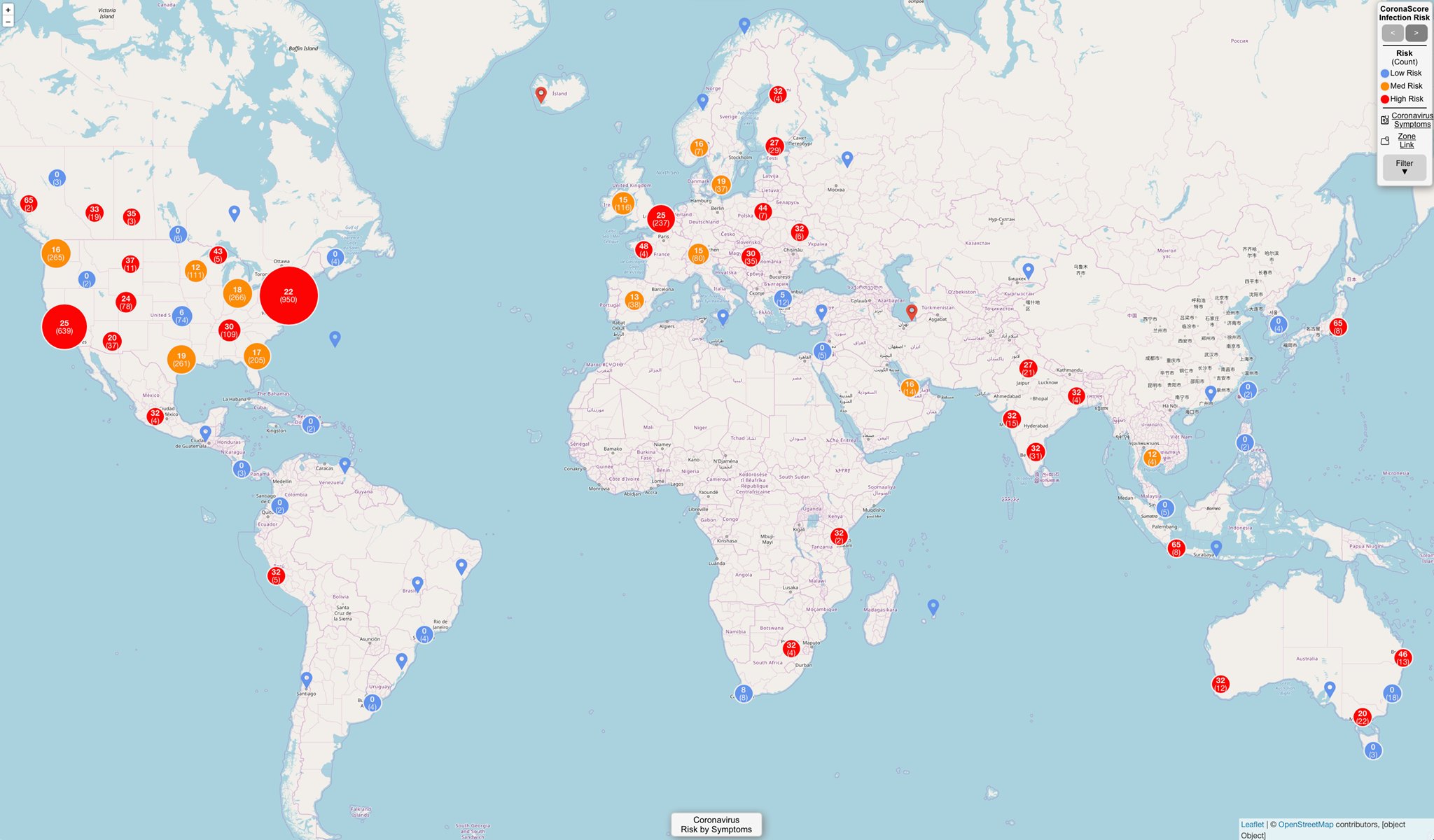
Built by a Global Community
SneezeMap isn't the product of a corporate laboratory or government agency. It's the collaborative creation of developers, public health enthusiasts, and concerned citizens from around the world who came together during the pandemic with a shared mission: to give communities real-time visibility into disease spread at the local level.
Distributed Contributors
Our team spans continents and time zones—software engineers, epidemiologists, data scientists, and citizens passionate about pandemic response working together without traditional corporate hierarchy.
Community-Driven Development
Every feature, every improvement, and every decision reflects feedback from our users. We iterate in the open, listening to the Reddit community and other platforms where real people share their needs and concerns.
Grassroots Authenticity
We're not beholden to corporate interests or government mandates. This grassroots structure is our strength—it means every decision is made with one question in mind: "Does this help communities protect themselves?"
Join the Movement
SneezeMap thrives because of contributors like you. Whether you're reporting symptoms, sharing with your neighbors, providing feedback, or contributing technical skills—you're part of a global effort to democratize disease surveillance and empower communities.
Get Involved